Wondering whether East York or York City makes more sense for your next move? It is a common question, especially when both areas can put you close to work, daily essentials, and the broader York market. The real difference usually comes down to lifestyle, housing style, and how you want your day-to-day routine to feel. Let’s break it down.
East York and York City at a glance
If you are comparing East York and York City, you are really comparing two different living patterns.
East York sits within Springettsbury Township, just east of York City. According to the township’s 2025 comprehensive plan, Springettsbury covers 16.7 square miles and includes East York along with other census-designated areas like Pleasureville, Yorklyn, and Stonybrook. The township includes mostly residential and open-space areas, with commercial and industrial corridors along Route 30, East Market Street, and Eastern Boulevard.
York City is a more compact urban setting. It has 5.29 square miles of land and a population density of 8,465.6 people per square mile. In simple terms, that means a denser layout, a tighter footprint, and a more centralized city environment.
Housing costs and ownership patterns
One of the clearest differences is the housing profile.
East York is more owner-occupied. Census data shows 73.6% of housing units are owner-occupied there, compared with 43.7% in York City. That tells you East York tends to line up more closely with buyers looking for a traditional ownership-heavy setting.
Price points are different too. The median owner-occupied home value in East York is $232,700, while York City’s median owner-occupied home value is $119,700. That is a gap of about $113,000, which can have a major impact on your budget, down payment, and long-term plans.
Monthly costs also reflect that difference. East York’s median monthly owner cost with a mortgage is $1,659, compared with $1,328 in York City. Median gross rent is $1,356 in East York and $1,014 in York City.
If you are trying to balance affordability with location, this is often the section that narrows the decision quickly. York City may offer a lower entry point, while East York may fit better if you want a more ownership-focused environment and are comfortable with a higher price range.
Housing stock feels different
The numbers only tell part of the story. The actual homes you are likely to see can differ a lot.
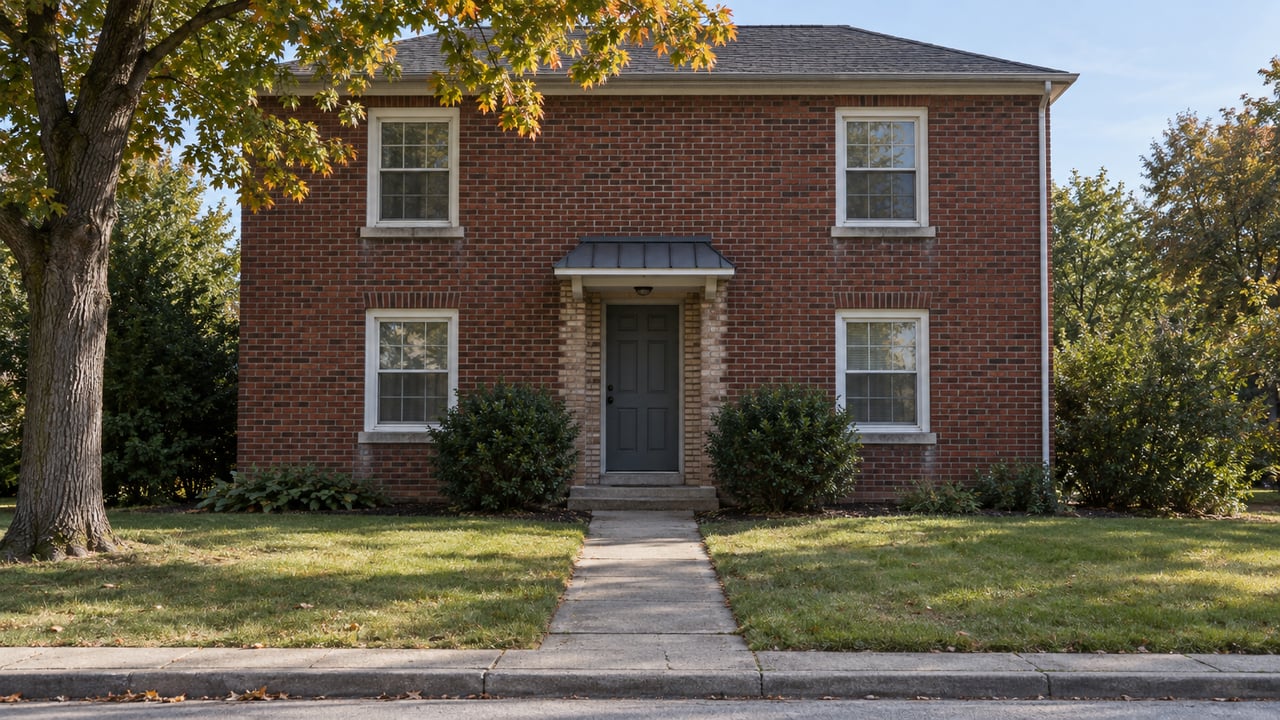
York City has a mixed urban housing stock. The city’s comprehensive plan shows 40.65% single-family attached homes, 22.65% single-family detached homes, 24.62% two-to-nine-unit dwellings, and 11.97% 10-plus-unit dwellings. Nearly half of the city’s occupied units were built before 1939, and more than 90% were built before 1980.
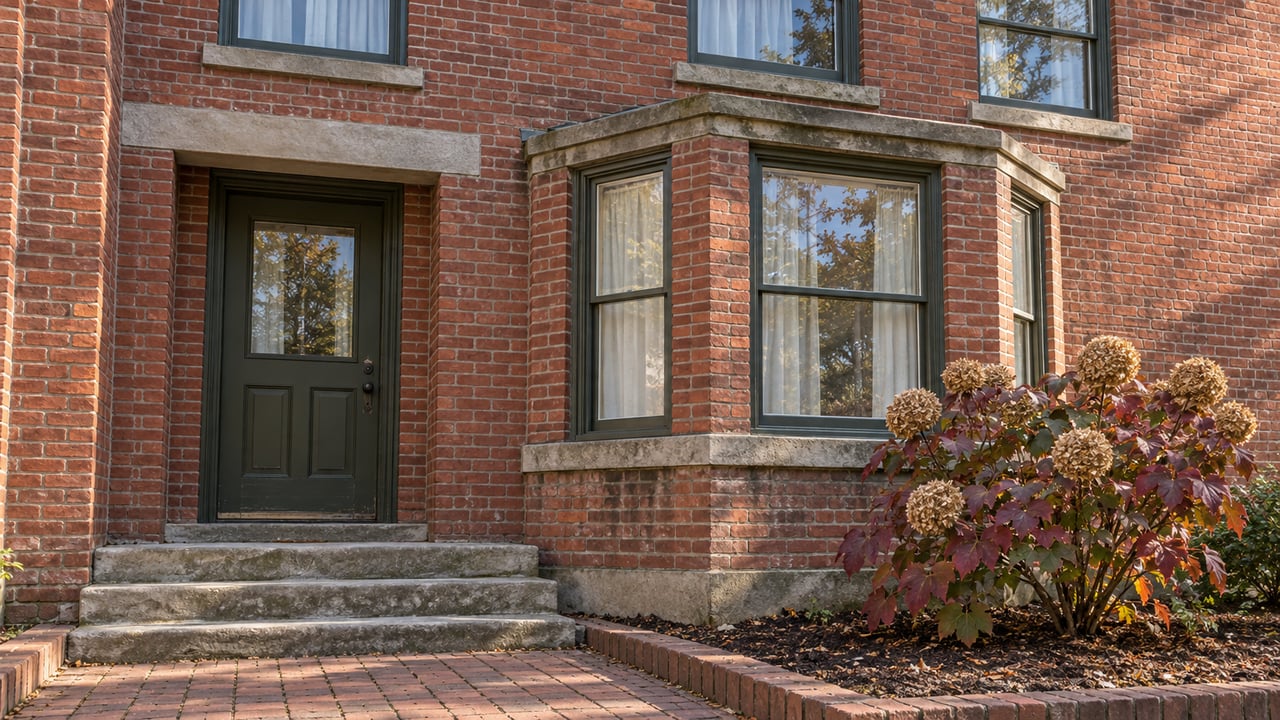
That means York City often offers older housing stock and more attached homes or smaller multifamily options. If you are open to a rowhome, an older detached home, or an investment-style property with multiple units, York City may give you more of that mix.
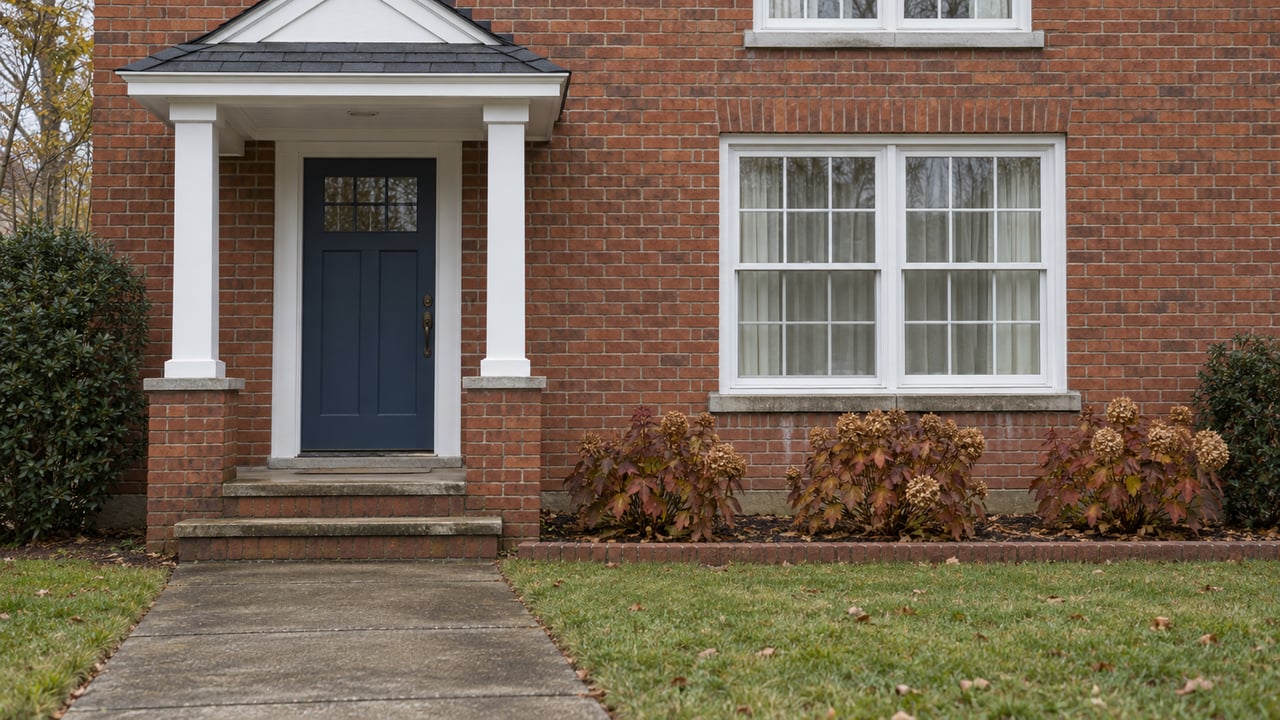
East York reads more like a first-ring suburban market. Springettsbury Township describes its housing stock as ranging from new-construction single-family homes to apartments in multifamily complexes, while emphasizing preservation of existing neighborhoods and broader housing choice. In practice, that supports the idea that East York tends to feel more suburban, even though rental and multifamily options are still part of the picture.
Commute times are almost the same
A lot of buyers assume one area will save them a meaningful amount of time on the road. In this case, that is usually not the deciding factor.
The average commute time is 22.9 minutes in East York and 23.1 minutes in York City. That is close enough that most people should focus less on commute length and more on how they prefer to move through their day.
How you get around matters more
Even though the commute times are nearly identical, transportation style looks different.
East York leans more toward a car-first or mixed car-and-bus routine. The Route 1E bus connects Downtown York and the Galleria Mall via East Market Street and serves stops including East York Walmart, York Town Center, WellSpan Education Center, YTI Career Institute, and Pleasant Acres. Service runs at roughly 15-minute intervals during weekday peak times.
That setup fits people who expect to drive for errands, use major corridors regularly, and want retail and services spread across convenient commercial routes.
York City has a more centralized transit structure. rabbittransit identifies King Street Station as the hub for York fixed-route service, with 11 of 15 routes connecting there, along with rabbitEXPRESS service to York, Harrisburg, and Northern Maryland. Downtown York is also described as accessible by car, bike, or on foot, with the transfer center near the Heritage Rail Trail.
If you value a more centralized transit network and easier access to downtown on foot or by bike, York City may feel more natural. If you prefer a corridor-based routine built around driving and retail access, East York may be the better fit.
Lifestyle: suburban convenience vs. downtown energy
This may be the biggest real-world difference between the two.
East York’s lifestyle is shaped by township-scale convenience. Springettsbury’s plan highlights commercial activity along Route 30, East Market Street, and Eastern Boulevard, plus more than 250 acres of parks. That can translate into a daily routine centered on neighborhood streets, local driving, park access, and quick errands along familiar commercial corridors.
York City offers a more downtown-oriented lifestyle. The city describes Downtown York as home to many eateries and restaurants, two farmers markets, and shops featuring antiques, handmade goods, and local artisan work. City materials also point to parks and recreation spaces including the Heritage Rail Trail, Memorial Park, Penn Park, and Farquhar Park.
If you want a compact setting with more activity clustered close together, York City may check more boxes. If you want more space, a lower-density feel, and easy access to township amenities and retail corridors, East York may feel more comfortable.
Which area fits your goals?
The best choice depends on what matters most to you.
East York may fit better if you want:
- A more owner-occupied setting
- Higher home values and a more suburban feel
- Lower density and more residential breathing room
- Access to commercial corridors for errands and shopping
- Parks and recreation within a township setting
York City may fit better if you want:
- A lower median home value and lower median rent
- A denser environment with a wider mix of housing types
- More attached homes and small multifamily options
- Downtown dining, shops, and farmers markets nearby
- Stronger centralized transit and trail access
A practical way to decide
When I talk with buyers in York County, I usually recommend thinking about this comparison in three simple buckets: budget, housing type, and daily routine.
First, look at your comfort level with price point and monthly cost. East York and York City can place you in very different budget ranges, even when the commute is nearly the same.
Second, think about the kind of property you want to own. If you picture a more suburban single-family setup, East York may align better. If you are open to older housing stock, attached homes, or multifamily-style opportunities, York City may give you more options.
Third, picture your weekly routine. Do you want corridor convenience, neighborhood parks, and a car-based pattern? Or do you want a compact setting with downtown amenities, transit access, and trail connectivity?
The bottom line
East York and York City are close in geography, but they live differently.
East York is generally the cleaner fit if you want a suburban, owner-heavy setting with higher-priced homes, lower density, and easy access to retail corridors. York City often makes more sense if you want a denser environment, a lower entry price, a broader range of housing types, and stronger downtown access.
Because the commute times are so close, the decision is usually not about saving minutes. It is about choosing the routine, housing style, and price point that best match your next move.
If you want help comparing homes, monthly costs, or even small multifamily opportunities in and around York, Spencer Blake can help you build a clear, local game plan.
FAQs
Is East York part of York City?
- No. East York is within Springettsbury Township, which is east of York City.
Are home prices higher in East York or York City?
- East York has the higher median owner-occupied home value at $232,700, compared with $119,700 in York City.
Is East York or York City better for commuters?
- Average commute times are very similar, at 22.9 minutes in East York and 23.1 minutes in York City, so lifestyle and transportation style usually matter more than time savings.
Does York City have more multifamily housing options than East York?
- York City has a more mixed urban housing stock, including attached homes, small multifamily properties, and larger multifamily buildings, based on the city’s comprehensive plan.
What is daily life like in East York compared with York City?
- East York tends to offer a suburban pattern with retail corridors and park access, while York City offers a more compact downtown environment with restaurants, markets, shops, parks, and trail access.
Which area may suit a first-time buyer better in York, PA?
- It depends on your budget, property type, and preferred lifestyle. York City may offer a lower entry price, while East York may appeal more if you want a suburban, owner-occupied setting.