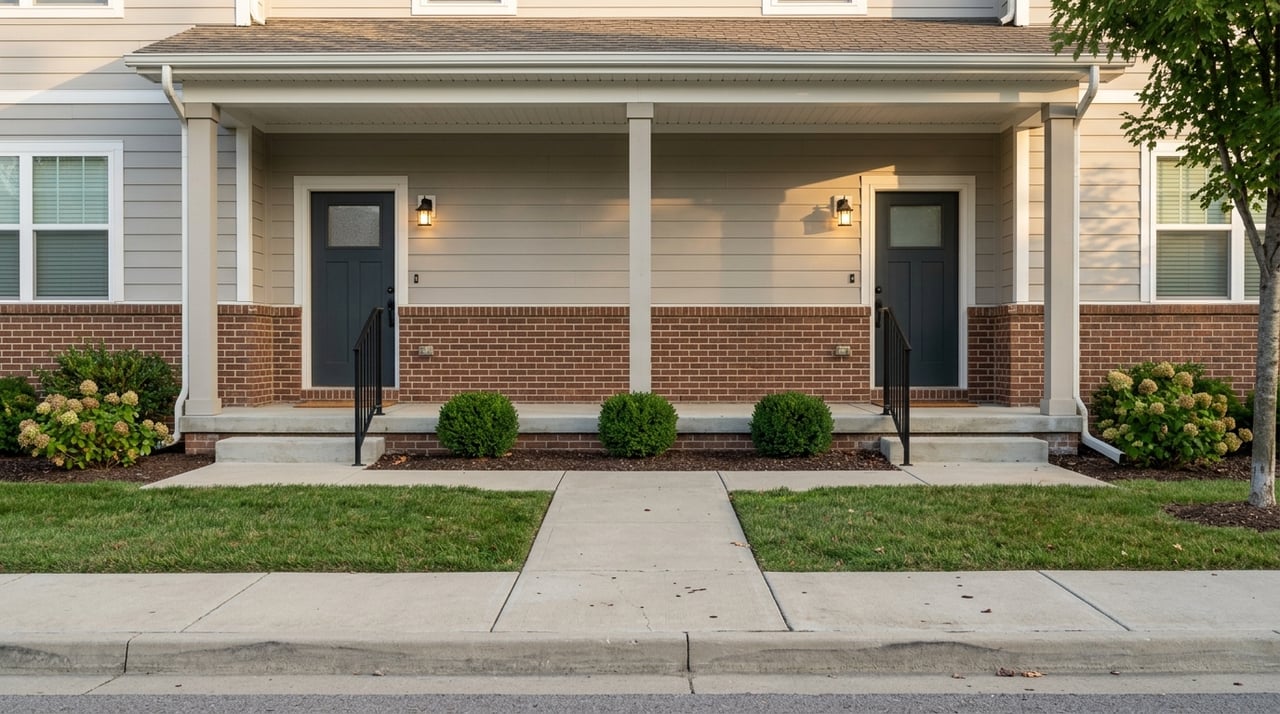
Thinking about buying in East York and letting rent help cover the mortgage? It can be a smart way to get into the market, but only if the property, zoning, and financing all line up. If you are looking at a duplex, small multifamily, or a home with extra space, you need to know what actually works in Springettsbury Township before you make an offer. Let’s break down how house hacking works in East York, where it tends to fit best, and what to verify before you move forward.
What house hacking means in East York
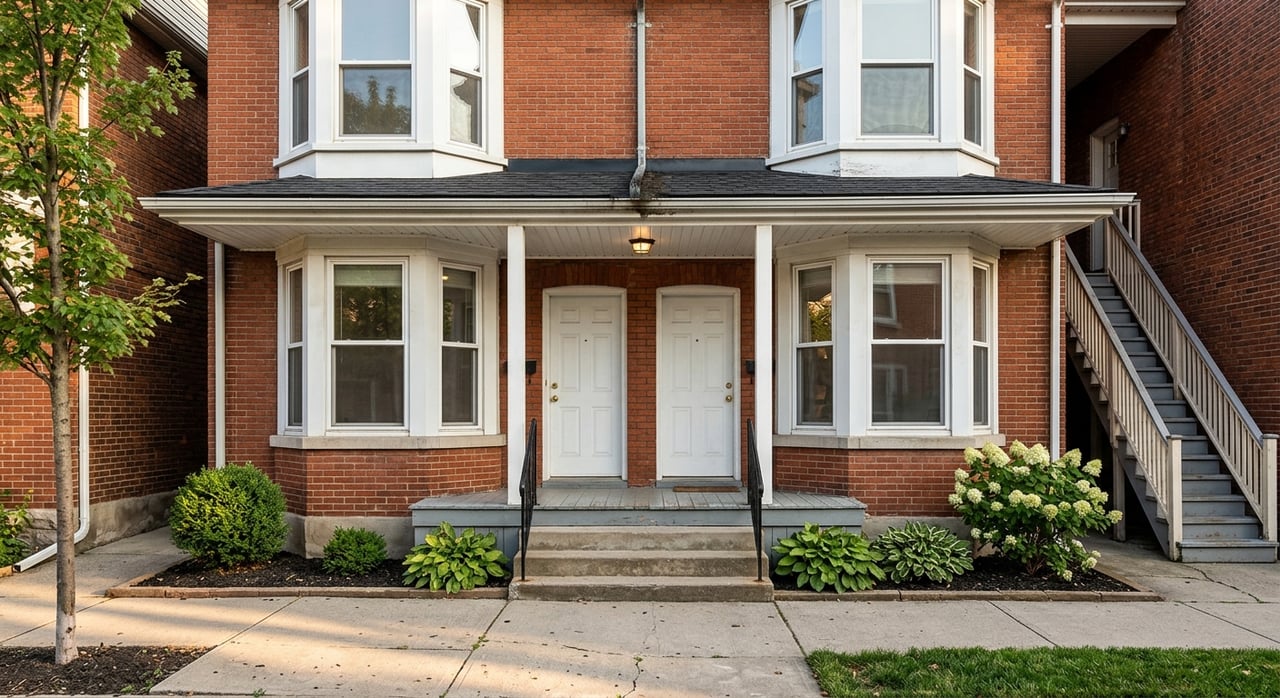
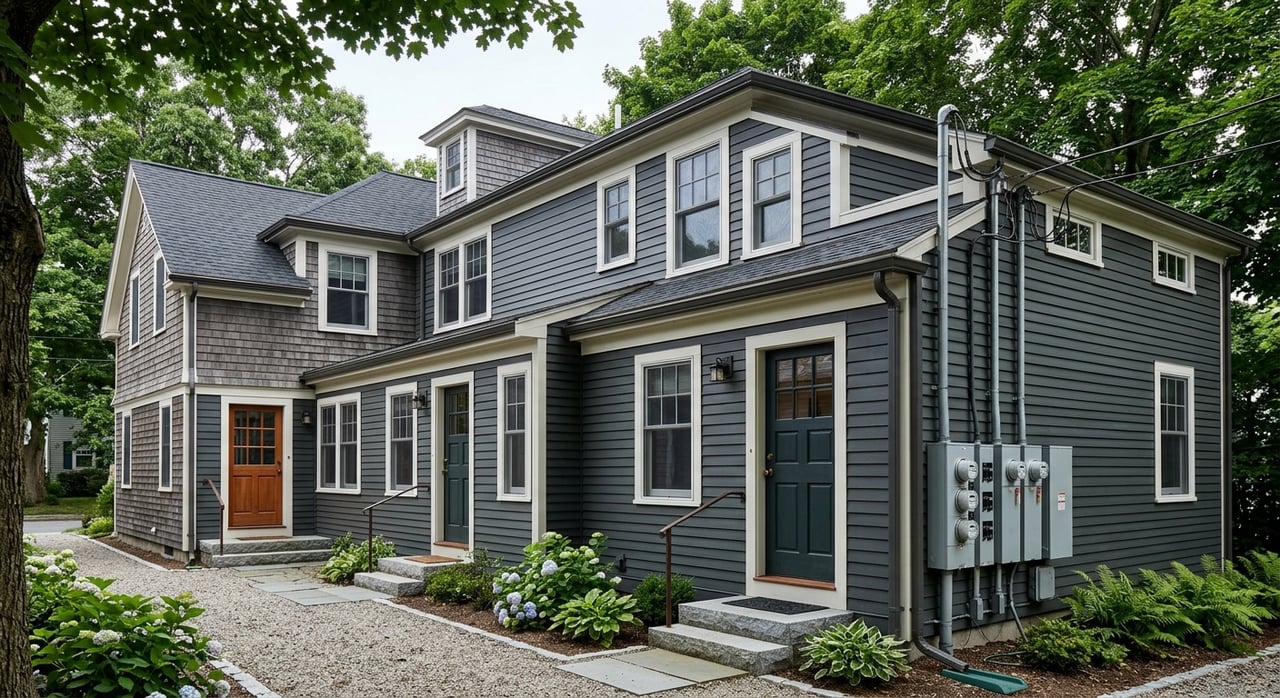
House hacking usually means you live in one part of a property and rent out the other part to help offset your monthly housing cost. In practice, that often looks like buying a duplex, triplex, or four-unit property and occupying one unit as your primary residence.
In East York, the basic idea is simple, but the local rules matter. Springettsbury Township’s zoning code is designed to accommodate different residential dwelling types, but whether a property can be used this way depends on the parcel’s zoning district, not just the size of the house.
Why zoning matters first
Before you get excited about rental income, confirm what the property is legally allowed to be. A building may look like it has enough space for two units, but that does not mean it is approved for two-family or multifamily use.
Springettsbury’s zoning framework includes districts like R-1, R-7, R-10, R-20, R-R, and M-U, along with commercial and industrial districts. For house hacking, the key difference is that some of these districts allow two-family or multifamily dwellings, while others are mainly built around single-family use.
Best-fit zones for house hacking
If you are specifically looking for a live-in rental setup, R-1 high density residential and M-U mixed use are the strongest places to start.
R-1 allows several principal residential uses, including detached single-family, semi-attached single-family, attached single-family, two-family, and multifamily dwellings. M-U also allows multifamily dwelling and is intended for moderate-intensity commercial and multifamily residential uses.
That does not mean every property in those districts is automatically ready to rent. It does mean those districts are the most logical places to search if your goal is a legal second unit or true multifamily setup.
Single-family zones need more caution
A lot of buyers in East York will also look in R-7, R-10, R-20, and R-R. These districts are important to understand because they include much of the local housing stock, but they should not be treated like automatic duplex markets.
R-7 permits detached and semi-attached single-family dwellings. R-10, R-20, and R-R are also centered mainly on detached single-family housing. If you are shopping in these districts, you need to be especially careful not to assume that extra bedrooms, a finished basement, or a separate entrance equals legal rental potential.
The ADU issue most buyers miss
One of the biggest misconceptions around house hacking is the idea that you can just buy a single-family home and rent out an in-law suite or accessory unit. In Springettsbury Township, that is not the default path.
The township allows an accessory dwelling unit for additional family members in any residence district, but the rule comes with major limits. The property must be owner-occupied, the unit is limited to specified relatives, the unit must stay within one building, and rent cannot be charged.
There are also size restrictions. The ADU is generally limited to 450 square feet or 30 percent of the principal dwelling’s floor area.
For East York buyers, that means a rent-producing ADU strategy is usually not the standard local use case. If your plan depends on collecting rent from a backyard cottage, basement apartment, or in-law suite, you need to verify the property’s exact legal status before counting on that income.
Property types that make the most sense
If your goal is to live in one unit and rent the other, the clearest fit is a legal duplex or small multifamily property. That gives you a cleaner path on both the zoning side and the financing side.
Here are the property types worth focusing on:
- Legal duplexes
- Triplexes and four-unit properties
- Multifamily properties in R-1 or M-U
- Select properties with an already legal second unit
There is also a more advanced option in R-7. Under the township code, an existing nonresidential structure can sometimes be converted to multifamily residential by special exception, subject to density, parking, and other requirements.
That is a niche redevelopment play, not the typical first-time buyer move. Still, it is worth knowing if you are open to heavier value-add opportunities and want to explore older civic, institutional, or commercial buildings that may qualify.
How financing can support a house hack
Financing is one reason house hacking gets so much attention. If you are buying a property as your primary residence, you may have options that are different from a straight investment purchase.
HUD states that FHA financing is available on one- to four-unit properties and may require as little as 3.5 percent down. HUD also says at least one borrower must occupy the property within 60 days of signing and intend to continue occupancy for at least one year.
That occupancy requirement is important. House hacking works best when you actually plan to live there, not when you are trying to buy a small multifamily as a pure absentee rental right away.
How lenders may view rent
Projected rent can help, but you should not assume every dollar of future rent will solve the payment. Fannie Mae’s guidance allows subject-property rental income from a two- to four-unit principal residence when the borrower occupies one unit.
Fannie Mae also allows rental income from an existing ADU on a one-unit principal residence, but only from the ADU itself. In East York, that point matters less as a practical strategy because the local ADU rule does not generally support rent-producing accessory units in the way many buyers expect.
The main takeaway is simple: ask your lender early how projected rent will be treated for the exact property you want to buy.
Run the numbers the right way
A property can look great in a quick search and still feel tight once the real monthly costs show up. The best way to evaluate a house hack is to compare the expected rent against your full monthly housing payment, then leave room for repairs, vacancy, and reserves.
Your full payment should include more than principal and interest. In East York, you also need to account for real estate taxes, insurance, utilities if applicable, maintenance, and the normal surprises that come with owning property.
Springettsbury notes that real estate tax is levied by the county, school district, and municipality. The township also lists different school tax mailing dates for York Suburban and Central York, which is a reminder to confirm the school district tied to the specific property instead of assuming one tax schedule for all of East York.
A simple house-hack checklist
Before you buy, work through these numbers:
- Full monthly mortgage payment
- County, municipal, and school taxes
- Insurance
- Utility split between units
- Repair and maintenance budget
- Vacancy cushion
- Cash reserves after closing
- Realistic market rent for the other unit
If the deal only works when everything goes perfectly, it may not be as strong as it looks.
Becoming a landlord comes with local rules
House hacking is not just a buying strategy. It also means you are becoming a landlord, and that comes with local responsibilities.
Springettsbury requires landlords to file rental occupancy reports within 30 days after becoming a landlord and within 30 days of any occupancy change. The ordinance also defines landlord, occupant, and tenant and includes penalties for violations.
That may sound like a small detail, but it matters. Once you own and rent part of the property, paperwork and compliance become part of the job.
Your East York due diligence plan
If you are serious about house hacking in 17402, keep your process simple and disciplined. Start with legality first, then move to profitability.
Here is the best order to follow:
- Confirm the parcel’s zoning district on the township zoning map.
- Confirm whether the second unit is legal and recognized.
- Confirm whether rental occupancy reporting applies.
- Confirm how your lender will treat projected rental income.
- Compare expected rent to the full monthly carrying cost.
That sequence helps you avoid a common mistake, which is getting attached to the income idea before confirming the property can legally support it.
Why local guidance helps
House hacking sounds straightforward, but in East York the details can change quickly from one parcel to the next. Two properties on the same street can have very different zoning, legal use history, or rental setup.
That is why it helps to work with someone who understands both the local market and the numbers. If you want to evaluate duplexes, small multifamily options, or off-market opportunities in East York, having a clear plan up front can save time and prevent expensive mistakes.
If you are weighing a house hack in East York and want help reviewing zoning fit, deal math, and the best property options for your goals, connect with Spencer Blake for a tailored game plan.
FAQs
Can you house hack a single-family home in East York?
- Sometimes, but you should not assume a single-family home can legally become a two-unit rental property. In many East York zoning districts, single-family use is the core use, so you need to verify zoning and legal unit status first.
Can you rent out an ADU in Springettsbury Township?
- Not as a typical rent-producing setup under the current family-member ADU rule. The township’s ADU provision requires owner occupancy, limits the unit to specified relatives, and does not allow rent to be charged.
What properties are best for house hacking in East York?
- Legal duplexes and small multifamily properties are usually the clearest fit, especially in R-1 high density residential or M-U mixed use districts where two-family or multifamily use is allowed.
Can you use FHA financing for a house hack in East York?
- Yes, if the property fits FHA’s one- to four-unit rules and you will occupy it as your primary residence. HUD states that at least one borrower must occupy the property within 60 days and intend to stay for at least one year.
What local paperwork should East York house hackers expect?
- If you become a landlord in Springettsbury Township, you may need to file rental occupancy reports within 30 days after becoming a landlord and within 30 days of an occupancy change.
What should you verify before making an offer on a house hack in 17402?
- Confirm the parcel’s zoning district, confirm that any second unit is legal, confirm whether rental occupancy reporting applies, and confirm with your lender how projected rent will be treated.