If you want your East York home to sell smoothly, the goal is not to make it perfect. The goal is to make it easy for buyers to say yes. In a stable, mostly owner-occupied area like East York, buyers tend to notice condition, cleanliness, and how well a home has been maintained. This guide walks you through the prep work that matters most, the Pennsylvania disclosure items you should organize early, and the local issues that can help you avoid last-minute surprises. Let’s dive in.
Why smart prep matters in East York
East York had 9,555 residents in the 2020 Census, and recent Census QuickFacts show a 73.6% owner-occupied housing rate, a median owner-occupied value of $232,700, and a 90.0% same-house-one-year-later rate. That points to a market where presentation matters and buyers are often comparing homes carefully. In this kind of setting, small issues can stand out fast.
For most sellers in 17402, the best return usually comes from removing buyer objections instead of taking on a major renovation. That means focusing first on cleanliness, clutter, basic repairs, and curb appeal. A polished, well-cared-for home is often more effective than an expensive project that does not fully pay back.
Start with the highest-impact tasks
According to the National Association of Realtors 2025 staging report, 91% of agents recommended decluttering, 88% recommended cleaning the entire home, and 77% recommended improving curb appeal before listing. The same report found that 49% said staging reduced time on market, and 29% said staging increased the dollar value offered by 1% to 10%. That makes the first phase of prep pretty clear.
Before you think about upgrades, handle the basics that buyers see right away. A home that feels bright, open, and move-in ready gives buyers fewer reasons to hesitate.
Declutter first
Decluttering is one of the simplest ways to make your home feel larger and easier to picture living in. Pack away surplus items, remove anything you do not use daily, and clear surfaces that look crowded. Buyers are not just looking at your home. They are also trying to imagine their own life in it.
Pay special attention to countertops, entry areas, shelves, and closets. Organized closets suggest the home has enough storage, while packed closets can suggest the opposite. If you are planning a move anyway, pre-packing now gives you a head start.
Deep clean every visible surface
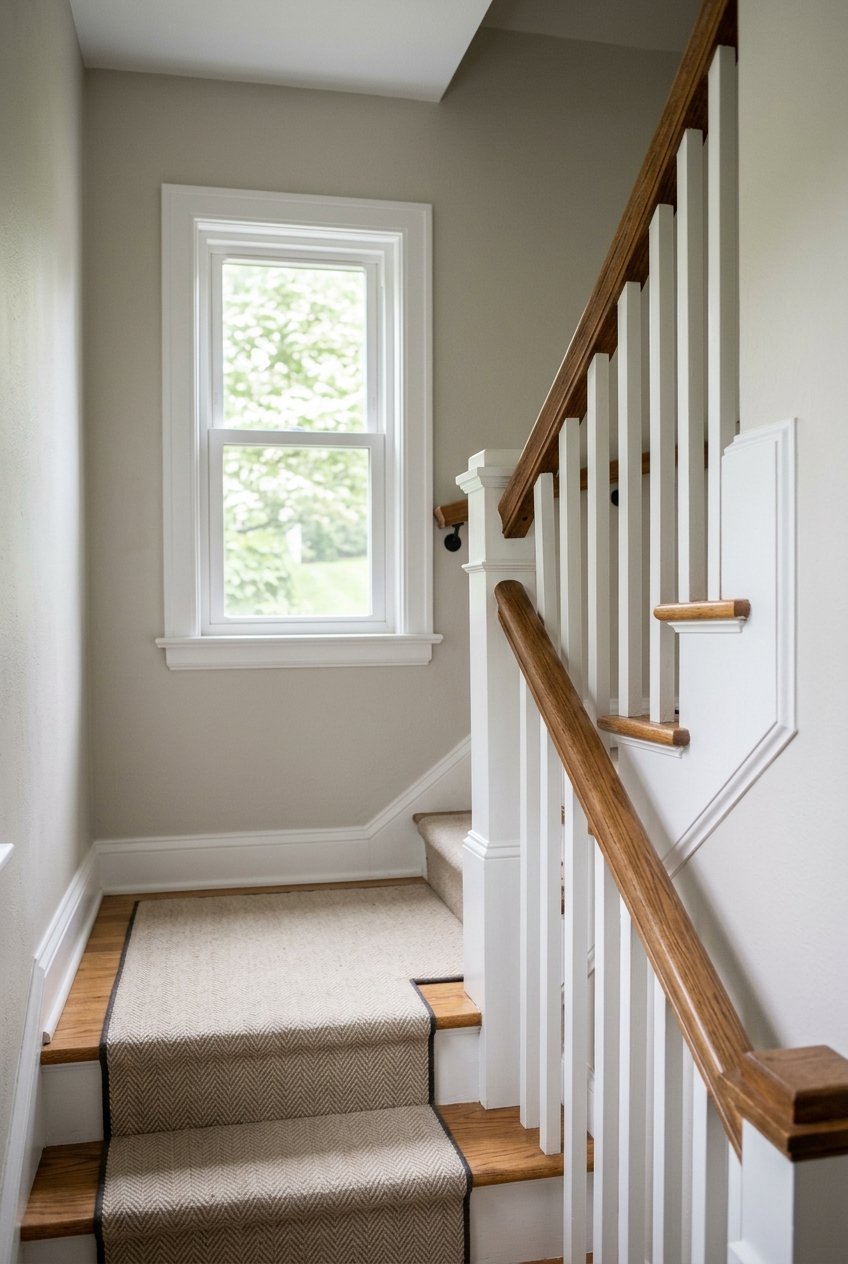
A basic cleaning is not enough before listing. NAR guidance specifically points to windows, carpets, lighting fixtures, and walls as areas that can make a noticeable difference. Clean these thoroughly so photos and showings reflect the home well.
Floors, baseboards, bathrooms, kitchen surfaces, and appliance fronts should also be spotless. Even buyers who plan to make changes later often react strongly to dirt, stains, and odors. Clean homes feel better maintained.
Fix the easy visible issues
Small maintenance items can create outsized concern during a showing. Replace burned-out bulbs, tighten loose hardware, touch up scuffed paint, fix easy leaks, and repair broken screens. These are low-cost tasks, but they help reduce the sense that more problems may be hiding.
If something squeaks, sticks, drips, or looks neglected, address it now if you can. You do not need to over-improve the property. You just want to remove distractions and keep buyers focused on the home itself.
Focus your effort where buyers notice most
If your time or budget is limited, prioritize the rooms buyers care about most. NAR reports that buyers see the living room, primary bedroom, and kitchen as the most important rooms in the home. Those spaces deserve your attention first.
Living room
The living room often shapes the emotional feel of the house. Remove extra furniture if the space feels tight, simplify decor, and open window coverings to bring in light. A clean, open living area helps buyers picture everyday use.
Primary bedroom
Your primary bedroom should feel calm and simple. Put away excess personal items, clear dresser tops, and make sure bedding looks clean and neat. Buyers tend to respond well to bedrooms that feel restful rather than crowded.
Kitchen
You usually do not need a full kitchen remodel to prepare for sale. In most cases, clearing countertops, cleaning cabinets and appliances, improving lighting, and touching up worn areas will do more for your sale than a rushed renovation. The kitchen should feel functional, bright, and well-kept.
Improve curb appeal for East York weather
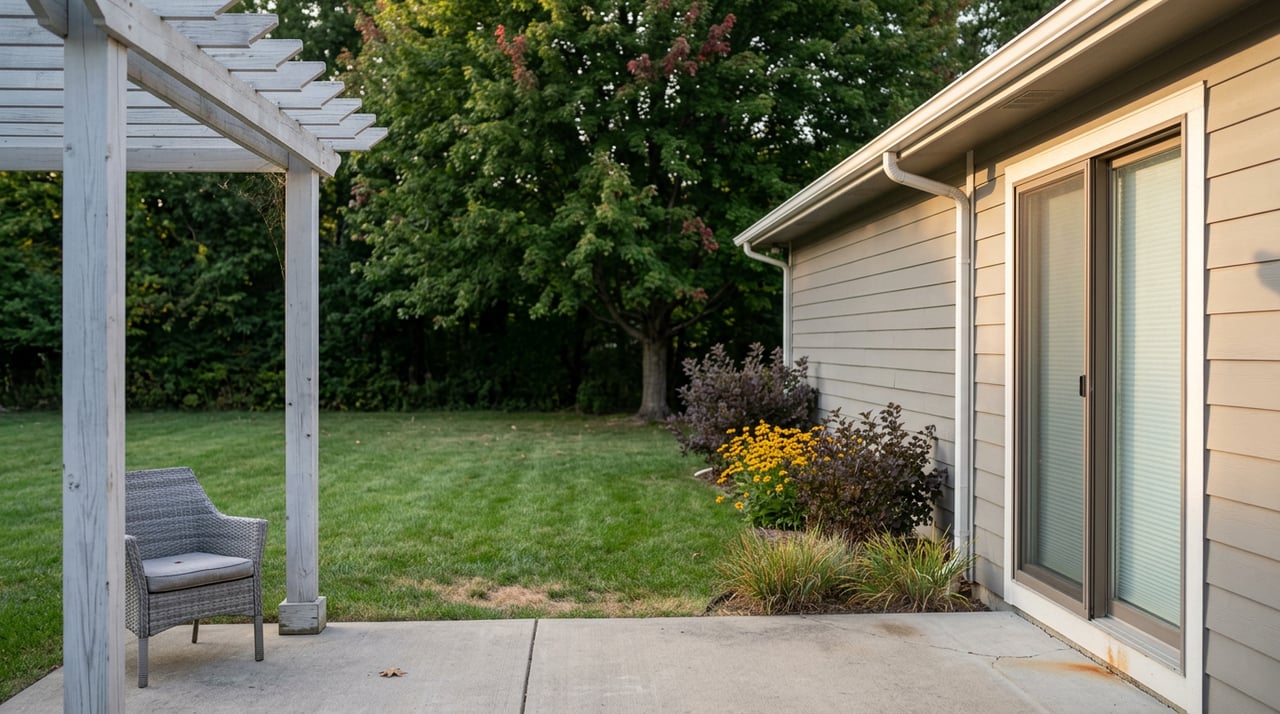
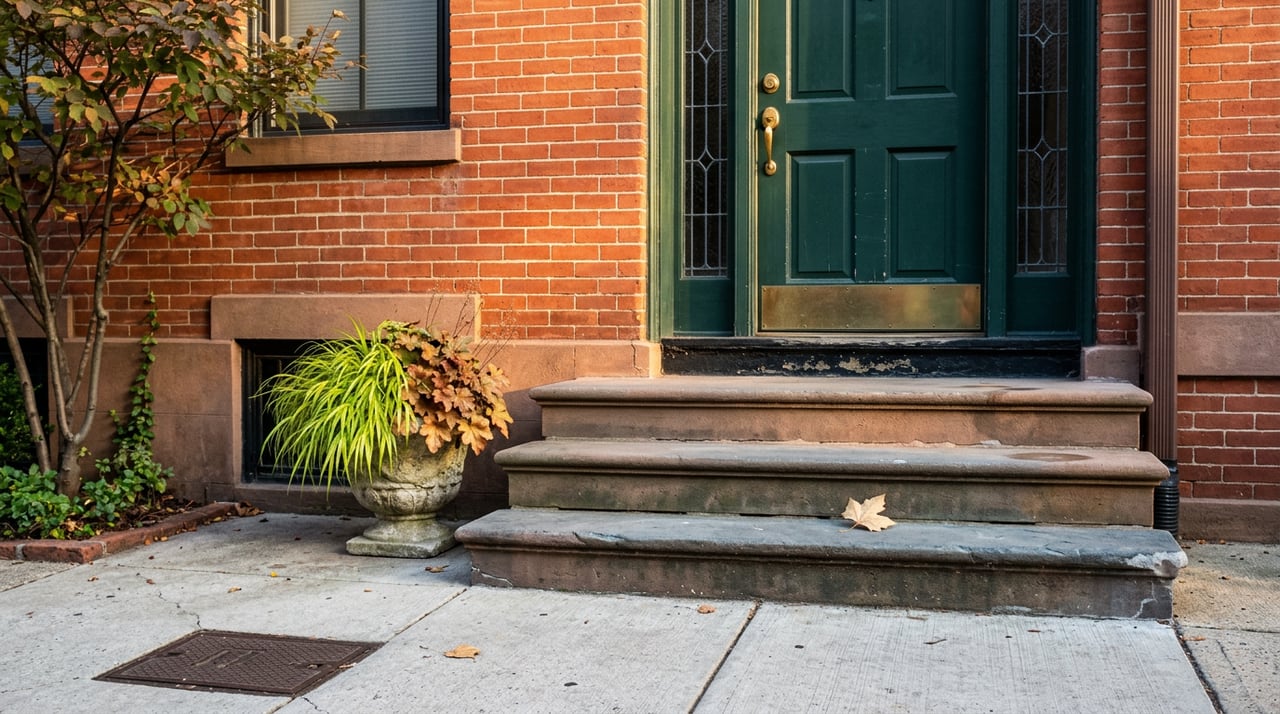
First impressions start at the curb, and they matter. NAR's outdoor-features report says 92% of REALTORS® have recommended curb appeal improvements before listing, and 97% believe curb appeal is important in attracting a buyer. Buyers begin forming an opinion before they ever walk through the front door.
East York's climate makes exterior upkeep especially important. NOAA climate normals for York 3N show about 30.19 inches of annual precipitation and 27.8 inches of annual snowfall, with cold winter temperatures that can expose wear on exterior materials and drainage issues.
Low-cost exterior updates
Focus on clean, visible improvements that make the home look cared for from the street:
- Mow and edge the lawn
- Trim shrubs and remove overgrowth
- Add fresh mulch where needed
- Sweep porches, steps, and walkways
- Replace burned-out exterior bulbs
- Touch up peeling paint
- Make sure house numbers are easy to see
Check moisture and drainage items
Because East York gets regular precipitation and winter weather, buyers may pay attention to signs of moisture management. Before photos and showings, check gutters, downspouts, grading, exterior seals, and walkways. If there are obvious signs of water-related wear, it is smart to address them early.
Organize your Pennsylvania disclosure paperwork
Pennsylvania's Real Estate Seller Disclosure Law requires sellers to disclose known material defects before signing the agreement of transfer. The state disclosure form covers a wide range of topics, including roof issues, basements and crawl spaces, termites or other wood-destroying insects, structural problems, additions or remodeling, water and sewage systems, plumbing, heating and cooling, electrical systems, appliances, drainage, boundaries, hazardous substances, HOA or condominium matters, title issues, and stormwater facilities.
You do not have to investigate unknown issues just to fill out the form, but you cannot knowingly misstate or leave out a known material defect. That is why good recordkeeping matters before your home hits the market.
Build a seller prep folder
Gather your paperwork early so you are not scrambling once interest picks up. A strong prep folder can include:
- Repair receipts
- Contractor invoices
- Warranty documents
- Permits for additions or structural work
- Records for roof, HVAC, plumbing, electrical, drainage, or sewer/septic work
- HOA documents, if applicable
- Appliance manuals
- Utility account information
- Spare keys and remotes
- A list of what stays with the home and what you will remove
This does not just help with disclosures. It also helps you answer buyer questions clearly and keep the transaction moving.
Decide whether a pre-list inspection makes sense
A pre-list home inspection is not required, but it can be useful in the right situation. NAR notes that some sellers order one before listing to learn more upfront, handle repairs on their own timeline, and prepare for buyer discussions.
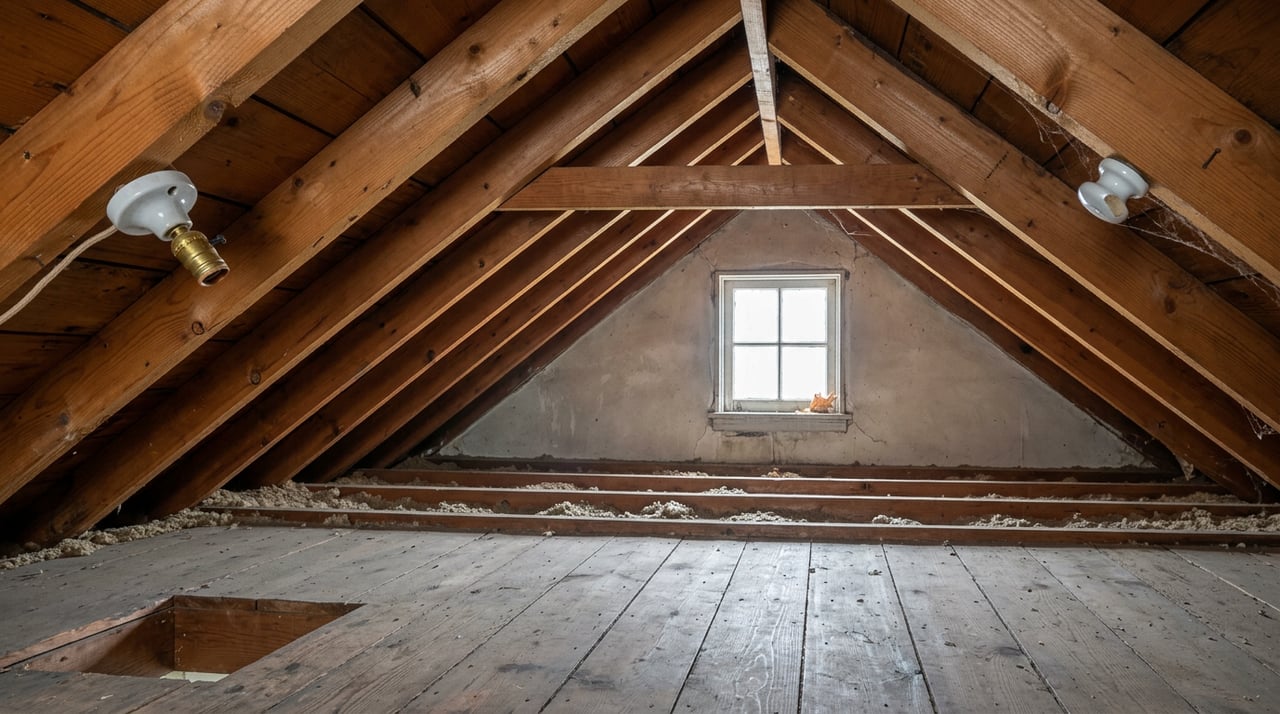
This can be especially helpful if your home has older systems, a history of recurring maintenance issues, or repairs that may come up during a buyer inspection. For some sellers, fewer surprises later is worth the added step.
Do not overlook radon and lead rules
In Pennsylvania, radon is a serious item to think about before listing. The Pennsylvania Department of Environmental Protection says about 40% of homes tested in the state have radon levels above 4 pCi/L, and testing is the only way to know. Home test kits generally cost about $20 to $30.
For many East York sellers, testing before listing can reduce negotiation friction later. If results come back above 4 pCi/L, DEP advises confirming the result and taking corrective action.
If your home was built before 1978, federal lead-based paint rules also apply. Sellers must disclose known lead-based paint hazards and available records, provide the required lead hazard pamphlet, and give buyers time to conduct a lead inspection. If you plan to do renovation work on a pre-1978 home before selling, lead-safe contractor practices matter.
Get ready before the listing goes live
Once your home is marketed, things can move quickly. NAR's marketing guidance notes that selling may involve staging, professional photography, social media promotion, signage, open houses, MLS exposure, and coordinated showings. That means your home should be photo-ready and showing-ready before launch day.
Do not wait until the listing is active to start finishing details. If you know a photographer, showings, and buyer traffic are coming, prepare as if the first impression counts from day one, because it does.
A practical East York seller checklist
If you want a simple way to stay on track, use this list:
- Declutter every room
- Deep clean floors, windows, walls, and fixtures
- Clear kitchen and bath counters
- Organize closets and storage areas
- Replace burned-out bulbs inside and out
- Tighten loose hardware and fix small leaks
- Touch up paint and repair broken screens
- Freshen up the front yard and entry
- Check gutters, downspouts, grading, and walkways
- Gather disclosure documents and repair records
- Decide whether a pre-list inspection makes sense
- Consider a radon test
- Confirm lead-related requirements if the home was built before 1978
- Prepare for photos and showings before going live
The goal is a smoother sale, not a perfect house
Most East York sellers do not need a full remodel to make a strong impression. In many cases, the best prep plan is a practical one: clean thoroughly, declutter heavily, fix what buyers will notice, and organize your paperwork before the home hits the market. That approach can help reduce delays, avoid unnecessary negotiation friction, and make your home easier to market confidently.
If you want a tailored plan for your property in 17402 or anywhere in York County, Spencer Blake can help you build a clear prep strategy, price it right, and get your home ready for a smooth sale.
FAQs
Do I need to renovate my East York kitchen or bathroom before selling?
- Usually not. For many sellers, cleaning, decluttering, curb appeal, and fixing visible issues are higher-priority steps than a major renovation.
Can I sell my East York home as-is in Pennsylvania?
- Yes, but selling as-is does not remove your obligation to disclose known material defects under Pennsylvania law.
Should I get a radon test before listing my home in York County?
- It is often worth considering. Pennsylvania DEP says about 40% of homes tested in the state have radon levels above 4 pCi/L, and testing is the only way to know.
What documents should I gather before listing a home in East York?
- Start with repair receipts, contractor invoices, warranties, permits, HOA documents if applicable, appliance manuals, utility information, keys or remotes, and a list of included items.
Should I order a pre-list inspection for my East York home?
- It can make sense if the home has older systems, recurring maintenance issues, or if you want fewer surprises during the buyer inspection stage.
What rooms should I focus on first when preparing my East York home for sale?
- Prioritize the living room, primary bedroom, and kitchen, since those are the rooms buyers often care about most.