If you are selling a rowhome or townhome in York, the details can make or break your timeline. Attached homes often attract strong buyer interest here, but they also bring extra questions about condition, parking, shared features, and association paperwork. The good news is that a clear plan can help you avoid delays, price with confidence, and show your home in the best light. Let’s dive in.
Why York sellers need a tailored checklist
York has a meaningful share of attached housing, especially in the city. A City of York plan reported that 43% of housing units were one-unit attached structures, compared with 17% one-unit attached housing countywide in York County’s 2023 housing assessment.
York also has an older housing stock. The county report says nearly a quarter of homes were built in 1949 or earlier, and more than 42% were built before 1969. For you as a seller, that means maintenance history, repair records, and visible condition matter more than they might in a newer neighborhood.
Recent market trackers also point to a fairly active York market, though their numbers vary by method. Taken together, they suggest homes can move quickly, so preparation before you list is important.
Start with the right pricing strategy
One of the biggest mistakes attached-home sellers make is comparing their property to detached houses. Rowhomes and townhomes should be priced against similar attached homes with closely matched condition, location, and features.
That matters because appraisals typically rely on recent sales of similar properties in the market area, along with local market trends. If your home is priced based on detached-home sales, you increase the risk of confusion for buyers and trouble during the appraisal process.
A strong pricing plan should account for details that buyers notice quickly in York attached homes, including:
- Interior condition
- Updates and remodeling
- Parking setup
- Outdoor space
- Storage
- Alley access
- Shared elements or dues, if applicable
Highlight parking and outdoor space
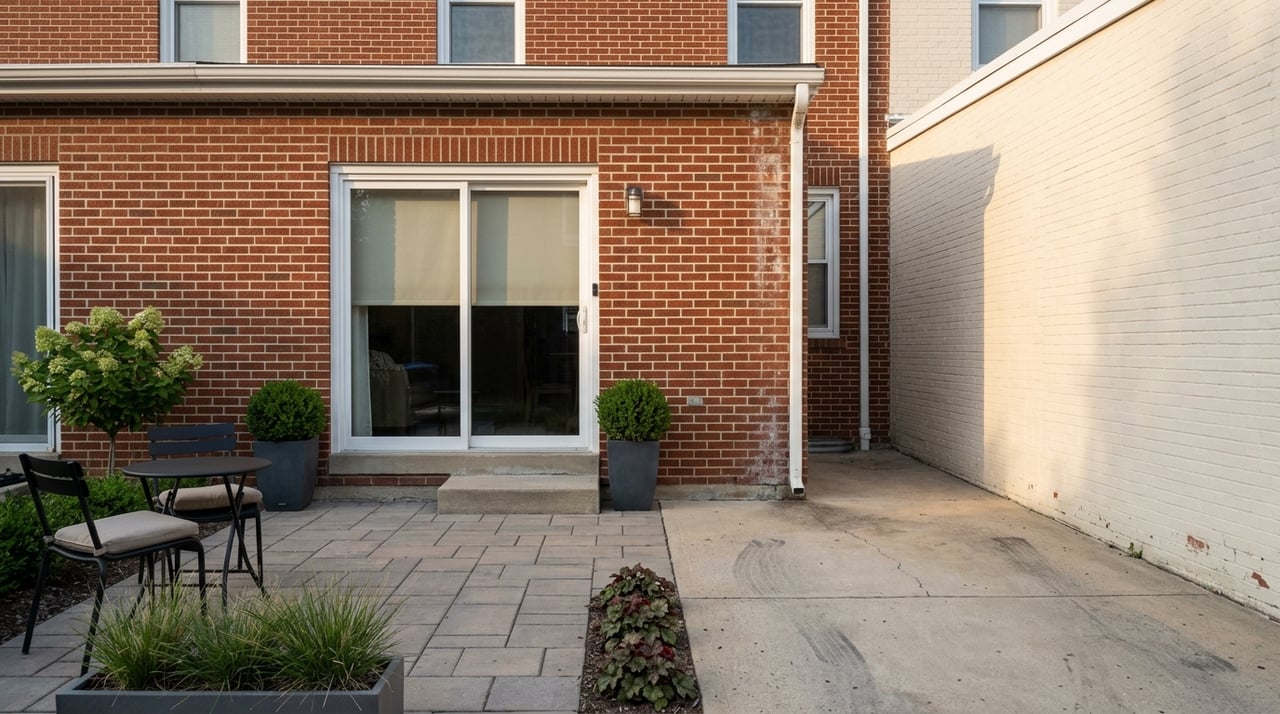
In York, practical features can have an outsized impact on buyer interest. If your rowhome or townhome has off-street parking, rear access, a patio, yard space, or dedicated storage, those items should be clearly shown and described from day one.
Many attached homes compete on efficiency and affordability, so buyers often look closely at how the property functions on a daily basis. A home with clear parking, manageable outdoor space, or easy access may stand out more than you expect.
Before photos and showings, make sure you can clearly identify:
- On-street parking expectations
- Off-street or rear parking access
- Deeded or assigned parking spaces
- Patio, deck, or fenced yard areas
- Shed, basement, or exterior storage options
- Alley access, if any
Fix visible condition issues early
Visible condition problems can slow down a sale long before settlement. They can affect buyer confidence, inspection results, and appraisal outcomes.
Pennsylvania’s seller disclosure form covers a wide range of items that are especially relevant for older York rowhomes and townhomes. These include the roof, basement or crawl space, pests, structural issues, plumbing, heating and cooling, electrical systems, drainage, boundaries, legal issues, and more.
That makes your pre-listing walkthrough simple in principle. Look for issues a buyer, inspector, or appraiser would notice right away and decide what should be repaired before the home goes live.
Focus first on items like:
- Peeling or defective paint
- Water intrusion or staining
- Drainage problems near the home
- Cracked or uneven steps and walkways
- Damaged railings or loose handrails
- Signs of roof leaks
- Basement moisture concerns
- Exposed wiring or nonworking fixtures
- Damaged siding, trim, or exterior surfaces
For buyers using FHA financing, visible condition can matter even more. FHA appraisers report readily observable deficiencies, including issues such as drainage problems, foundation concerns, and defective paint, so it is smart to address obvious problems before listing when possible.
Gather records before your home hits the market
A smoother sale usually starts with better paperwork. In older attached homes, buyers often want answers about what has been repaired, updated, or replaced, and lenders may ask for supporting details during underwriting.
Try to gather any records you have for:
- Roof work or replacement
- Heating and air system service or replacement
- Plumbing updates
- Electrical updates
- Window replacement
- Basement waterproofing or drainage work
- Additions or remodeling
- Appliance ages
- Pest treatment or repair work
If work was permitted, keep those records together as well. Having this information ready can help support your disclosure, reduce back-and-forth, and strengthen your position if appraisal questions come up.
Handle lead-based paint early for older homes
If your York rowhome or townhome was built before 1978, lead-based paint rules may apply. Sellers of most pre-1978 housing must provide the lead pamphlet, disclose any known lead-based paint or hazards, share available records and reports, include the required warning language in the contract, and give the buyer a 10-day opportunity to conduct a lead inspection or risk assessment unless both parties agree otherwise in writing.
This is one area where early preparation helps. If you already have reports or records, organize them before you list so you are not scrambling once an offer comes in.
EPA guidance also notes that deteriorating lead-based paint is a hazard. If you have chipping, flaking, or peeling painted surfaces in an older home, it is wise to address that early as part of your prep plan.
Review the Pennsylvania disclosure form carefully
Pennsylvania law requires sellers to disclose known material defects before the agreement of transfer is signed. If your disclosure becomes inaccurate before final settlement, you are also required to notify the buyer.
For many York sellers, the best approach is to fill out the disclosure slowly and carefully, with records nearby. Older rowhomes and townhomes can have long ownership histories, and rushing through the form may create avoidable problems later.
Pay close attention to categories involving:
- Roof and exterior condition
- Basement, crawl space, and moisture
- Termites or other pests
- Structural changes or additions
- Plumbing, sewer, and water systems
- Heating, cooling, and electrical systems
- Drainage and grading
- Boundaries or shared features
- HOA, condo, or planned community information
Order HOA or condo documents early
If your townhome is part of a condominium or planned community, do not wait until you have a buyer to request resale documents. In Pennsylvania, these packages can include the declaration, bylaws, rules, assessment information, unpaid fees, reserve information, budgets, financial statements, insurance details, violations, and other required items.
For planned communities, the association must provide the resale certificate within 10 days of the owner’s request. Associations may also charge reasonable fees for preparing resale certificates and unpaid assessment statements.
From a practical standpoint, early ordering matters because association paperwork is one of the easiest ways for a transaction to stall. You want to know the monthly dues, any special assessments, reserve questions, and any unresolved violations before your home goes live.
Be clear about shared responsibilities
Attached homes often raise questions that detached homes do not. Buyers may ask who maintains the roof, exterior walls, fences, driveways, parking areas, stormwater facilities, or other common elements.
If the answer is not obvious, confusion can show up during negotiations, inspections, or lending review. That is why it helps to prepare a simple summary of what you maintain directly and what the association or another party may handle.
This is especially important if your home has:
- Shared driveways
- Rear access lanes
- Party walls
- Common parking areas
- Stormwater facilities
- HOA-managed roofs, siding, or grounds
Prepare for the appraisal
An appraisal is not the same as a home inspection, but it can still affect your sale in a major way. Appraisals generally rely on recent comparable sales and market trends, while FHA appraisers also note readily visible deficiencies.
To reduce surprises, think about appraisal readiness before the first showing. A clean, well-documented home with obvious maintenance handled upfront is usually easier for a buyer’s lender to work with.
A practical appraisal-prep checklist includes:
- A list of recent updates and approximate dates
- Receipts or records for major repairs
- Permit information, if applicable
- HOA or condo fee details
- Information on special assessments, if any
- Utility and system age details when known
- Lead-related records for pre-1978 homes
Budget for closing and transfer tax
Sellers should also plan for transaction costs before listing. York County’s Recorder of Deeds says transfer tax is generally 2% total when recording a deed, split 1% to the state and 1% to local municipalities.
The Pennsylvania Department of Revenue separately confirms the state realty transfer tax rate is 1%. If a transfer is exempt or the consideration differs from what appears on the deed, York County says a Statement of Value is required.
Even if your final net is still weeks away, understanding these costs early can help you price more accurately and plan your next move with fewer surprises.
Your practical York selling checklist
If you want a simple version, here is the checklist I would start with before listing a York rowhome or townhome:
- Price your home against similar attached-home sales.
- Identify and highlight parking, storage, and outdoor space.
- Repair visible condition issues before photos and showings.
- Gather receipts, permits, and maintenance records.
- Prepare lead-related disclosures if the home was built before 1978.
- Complete the Pennsylvania seller disclosure carefully.
- Request HOA or condo resale documents early, if applicable.
- Clarify shared maintenance responsibilities.
- Organize updates and records for the appraisal.
- Estimate transfer tax and other closing costs ahead of time.
Selling an attached home in York does not have to feel complicated. With the right pricing, strong prep, and a clear plan for disclosures and paperwork, you can reduce friction and put yourself in a better position from listing through closing.
If you are thinking about selling and want a practical game plan built around your specific property, Spencer Blake can help you map out pricing, prep, and next steps.
FAQs
What should sellers compare when pricing a York rowhome or townhome?
- Sellers should compare their home to similar attached homes with closely matched condition, location, and features, rather than using detached-home sales.
What repairs matter most before listing a York attached home?
- The most important pre-listing repairs are visible issues that may affect buyer confidence or appraisal review, such as peeling paint, drainage concerns, water intrusion, roof leaks, damaged railings, or obvious electrical problems.
What disclosures are required when selling a home in York, PA?
- Pennsylvania law requires sellers to disclose known material defects before the agreement of transfer is signed, and sellers must notify the buyer if that disclosure becomes inaccurate before final settlement.
What should York townhome sellers do about HOA documents?
- If the property is in a condo or planned community, sellers should request resale documents early so they can review dues, assessments, rules, budgets, reserve information, insurance details, and any violations before accepting an offer.
What do sellers need to know about lead paint in older York homes?
- For most pre-1978 homes, sellers must provide the required lead information, disclose known hazards, share available records, include the warning language in the contract, and give buyers the opportunity for a lead inspection unless the parties agree otherwise in writing.
What transfer tax applies when selling a home in York County?
- York County says transfer tax is generally 2% total when recording a deed, typically split 1% to the state and 1% to local municipalities.